



Overview
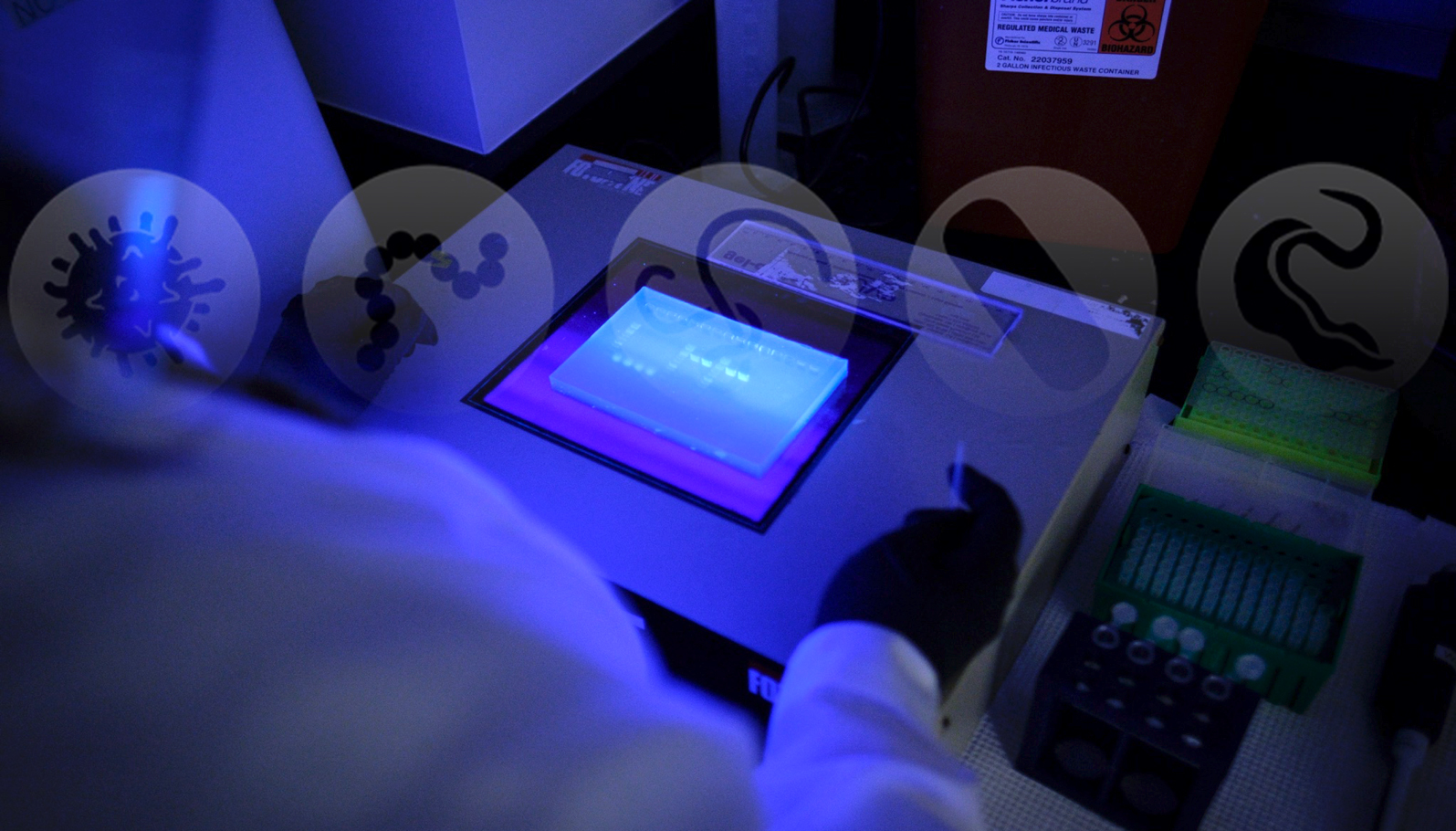
The Ojo laboratory’s main research interest is in the area of molecular target-based drug discovery for neglected infectious parasitic diseases. Our laboratory’s scholarly work is focused on studies to better understand the biology of parasites’ specific enzymes as targets for novel therapeutics. A good understanding of processes that influence the biology of parasite survival and acquired drug resistance will be important in chemical modification of existing antimicrobial agents or in designing new compounds based on the same or different target(s) of interest.
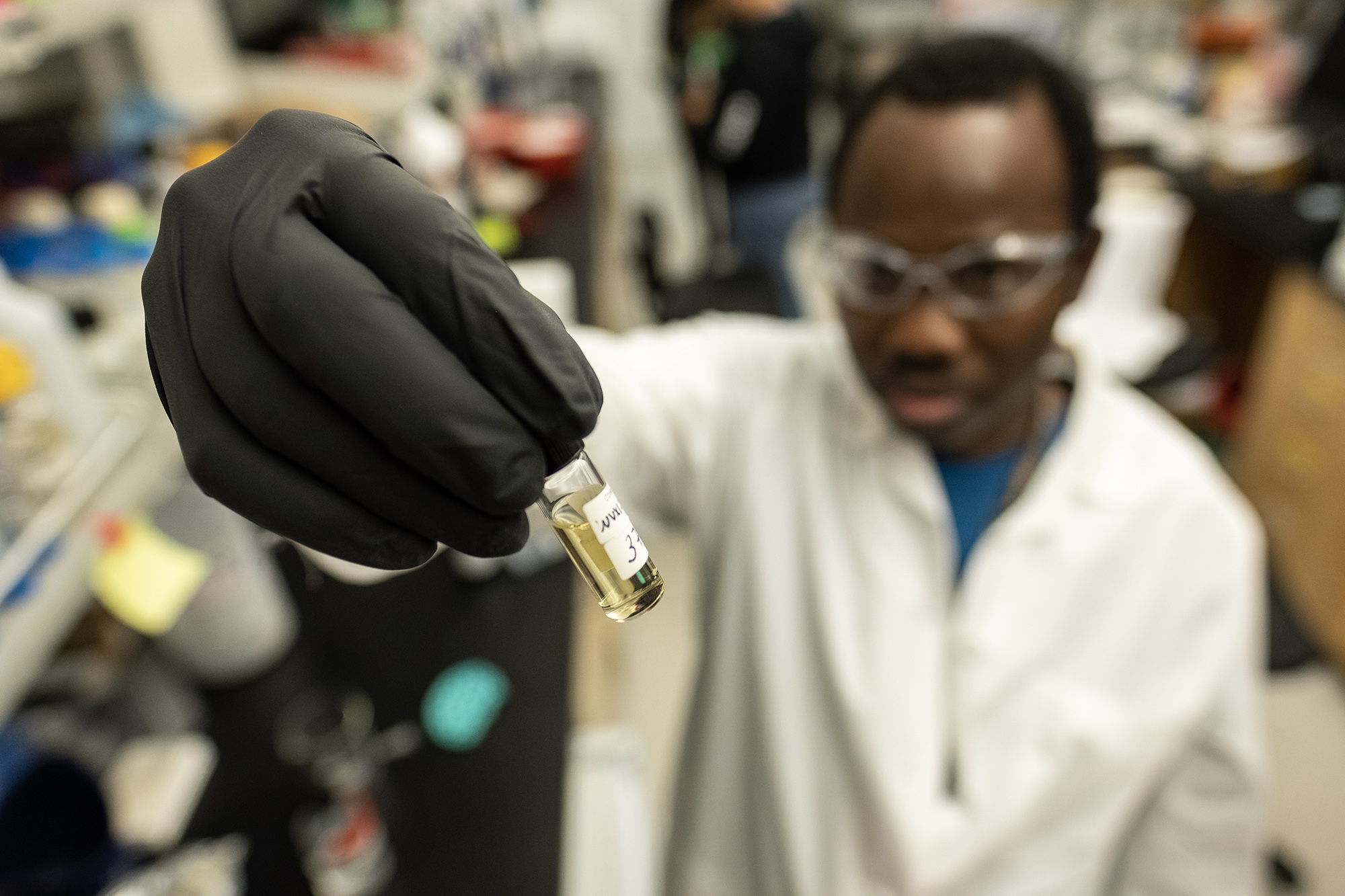
Research work in the Ojo lab is a multidisciplinary endeavor requiring knowledge in chemistry, genetics/molecular biology, biochemistry, and pharmacokinetics/drug metabolism. We take advantage of our high-throughput screening & protein production pipelines to develop well-characterized inhibitors that can be further developed as cost-effective & potent therapeutics for neglected infectious diseases.
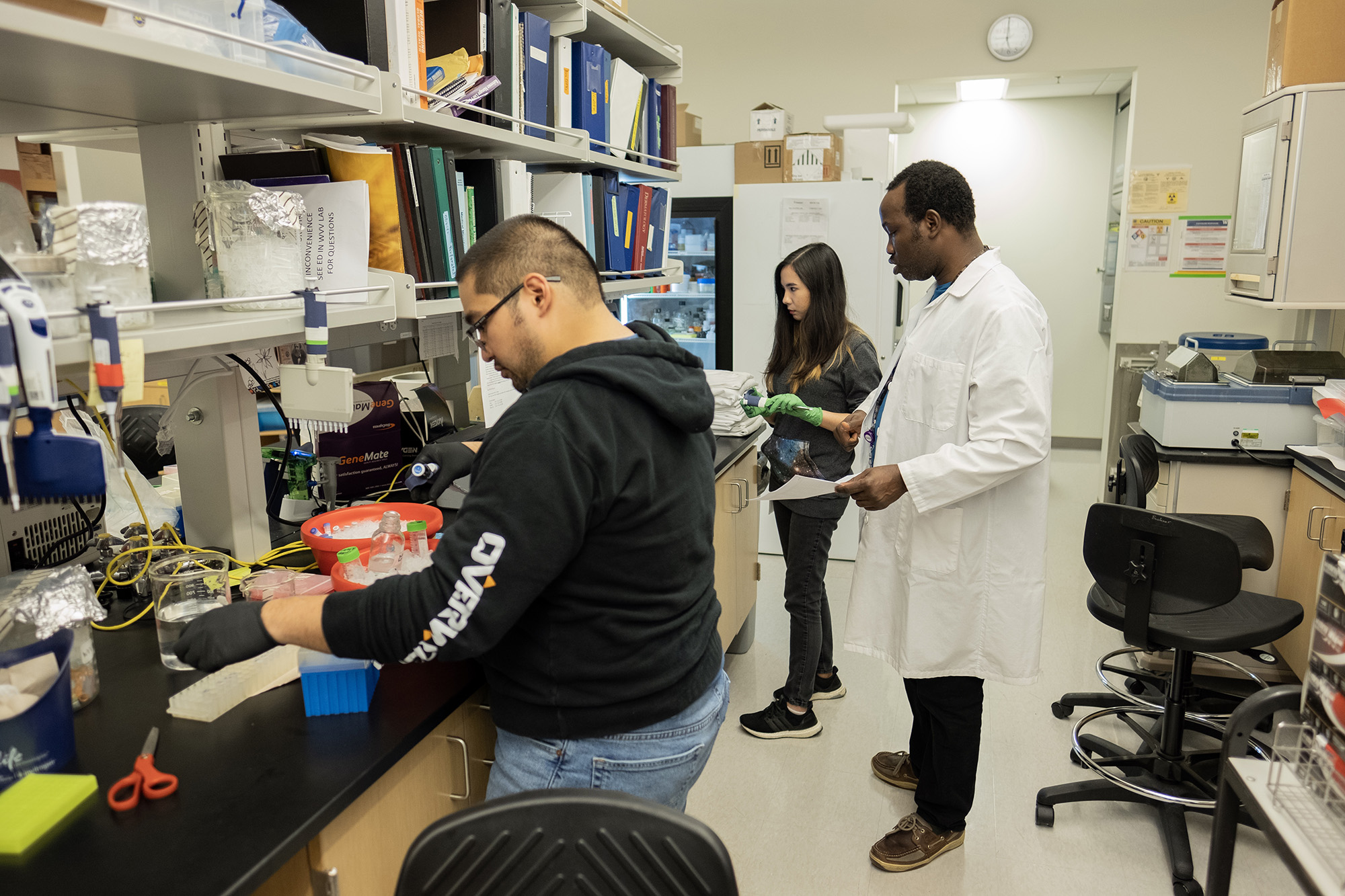
Our team utilizes a wide variety of molecular/biochemical and in vivo pharmacokinetics/efficacy techniques. Ongoing research work centers on the role of specific protein kinases in signaling events essential for cell survival. We also study other parasitic enzymes including Methionyl-tRNA synthetase (MetRS) and other Aminoacyl tRNA synthetase that are essential for survival.
Principal investigator
Diseases we study
- Besnoitiosis
- Cryptosporidiosis
- Cystoisosporiasis
- Giardiasis
- Gonorrhea
- Malaria
- Mycoplasma Genitalium
- Neosporosis
- Prostate Cancer
Neglected Parasite Initiative
The Neglected Parasite Initiative (NPI) is a nonprofit organization working to bring greater attention to cryptosporidiosis, a parasitic diarrheal disease that disproportionately affects malnourished young children in low-resource countries. Cryptosporidiosis causes 200,000 child deaths a year, and leads to poor neurologic development and stunting for millions. Despite its serious impact on child health, the disease remains underfunded and overlooked, with limited treatment options available. Led by Executive Director Wesley C. Van Voorhis, MD, PhD, alongside Research Group Leader Kayode K. Ojo, PhD, and Program Director Timothy Rapuano, MS, NPI works to address this gap by raising awareness, supporting research and development of new treatments and vaccines, and bringing together scientists, healthcare and public health professionals, and global health organizations to drive progress. The initiative also advocates for greater international recognition of cryptosporidiosis as a neglected tropical disease by the WHO, which will attract additional attention, funding and research investments. Through these efforts, NPI aims to make Cryptosporidiosis a global health priority and improve diagnosis, prevention, and treatment options for children affected by it worldwide. Please donate to NPI now.